Choose timezone
Your profile timezone:
Warning: We observe an increase of emails from fake travel portals like . "travelhosting.co.uk". We never send links to such portals so be vigilant!
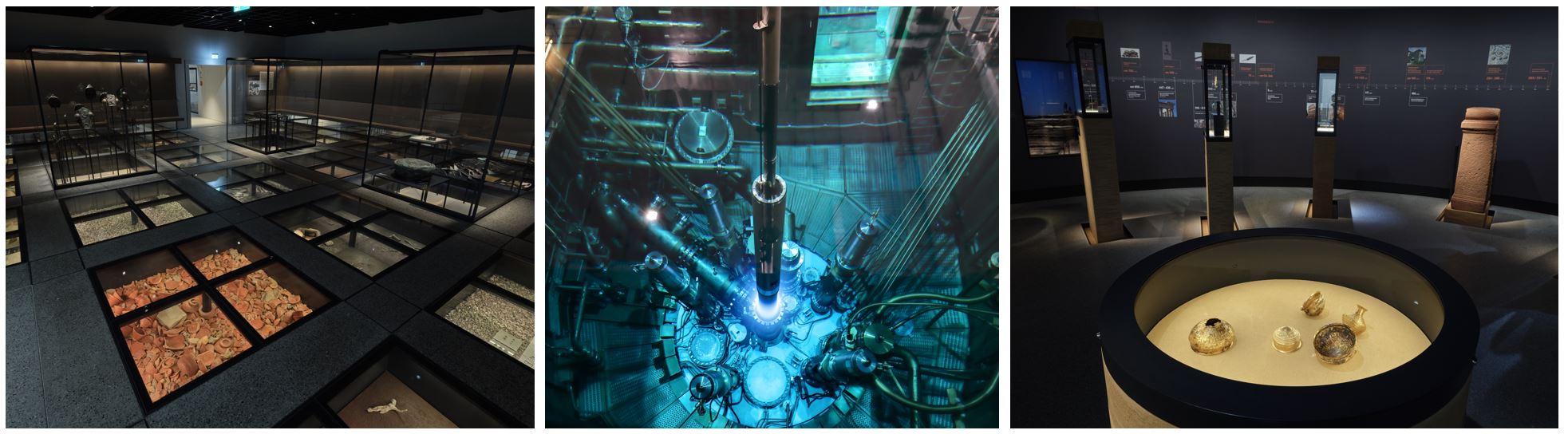
Photo Credits: Archäologische Staatssammlung, Stefanie Friedrich (left and right); TUM/FRM II, Bernhard Ludwig (middle)
A one-day introduction course (18 May 2026) for the use of neutrons in heritage research at MLZ will be organized for interested scientists, which is free but requires registration.
Prior to this course, we will offer the possibility for test measurements in cooperation with the Czech Technical University (CTU). Registration and more information can be accessed here.
From 19 to 22 May 2026, the Heinz Maier-Leibnitz Zentrum (MLZ) in cooperation with the Bavarian State Archaeological Collection will host the 2026 edition of the International Conference on Neutrons in Heritage Science. The event will take place in the state collection itself, located in the heart of Munich, and brings together scientists from the field of heritage studies and large scale facilities to initiate discussion and develop ideas for common projects. It follows an initial conference in Dongguan, China, which took place from 26 to 29 November 2024.
The conference brings together scientists from the field of heritage studies and large scale facilities to initiate discussion and develop ideas for common projects. A key intention is to understand the perspective of the heritage community. Although the conference will address and highlight the use of neutrons in cultural and archaeological sciences – especially possible applications –, complementary methods in this field are equally welcome. Especially as the user community is keen to explore how neutron-based techniques compare with similar approaches utilizing complementary contrasts.
Topics:
· Archaeometry
· Cultural Heritage and Conservation
· Historical Metallurgy
· Paleontology
· Instrumental Developments for Heritage Science
The conference program will offer four intense days packed with keynote speeches, contributed talks, a poster session, as well as optional tours through the state collection, an excursion and a conference dinner.
We are looking forward to welcoming you in Munich in 2026!
The organizers
Heinz Maier-Leibnitz Zentrum (MLZ) Bavarian State Archaeological Collection
Neutrons offer a number of well-known advantages in the investigation of materials. Of importance for cultural heritage (CH) and natural heritage (NH) studies is the extreme penetration allowing for non-invasive characterization. While in the past neutron activation analysis and autoradiography [1] were the major techniques employed in the field, nowadays neutron investigations of archaeological objects and art works encompass imaging, chemical analysis, and crystallographic analysis, including phase identification, texture analysis, and structural/microstructural analysis [2]. In principle, such information may be obtained simultaneously in a single combined experiment, thus minimizing neutron exposure and the risks and the costs related to the handling of unique objects/specimens. Muon investigations are also rapidly expanding the area of non-invasive chemical characterization and depth profiling [3].
A brief history of the applications of neutron sources to cultural heritage investigation will be presented, with a discussion of present trends and possible future developments based on technical advances [4]. The planned improvements on both neutron sources and detectors technically should foster applications in the CH area, though serious infrastructures are needed to link heritage users to dedicated facilities [5].
References
[1]. Speakman, R. J., & Glascock, M. D., Acknowledging fifty years of neutron activation analysis in archaeology. Archaeometry, Special issue 49 (2007) 179-183.
[2]. Kardjilov, N., & Festa, G. (Eds.). Neutron methods for archaeology and cultural heritage (2017) Berlin: Springer.
[3]. Hillier, A. D., Hampshire, B., & Ishida, K. Depth-Dependent Bulk Elemental Analysis Using Negative Muons. In: Handbook of Cultural Heritage Analysis (2022) pp. 23-43. Cham: Springer International Publishing.
[4]. Artioli, G., & Hussey, D. S., Imaging with neutrons. Elements: An International Magazine of Mineralogy, Geochemistry, and Petrology, 17 (2021) 189-194.
[5]. Artioli G. Crystallographic texture analysis of archaeological metals: interpretation of manufacturing techniques. Appl. Physics A 89 (2007) 899-908.
In European culture, starting from the beginning of the Iron Age to modern times, the development of iron and steel technology is directly related to the development of tools, arms and armour.
Many of the tools were common use objects, which soon were lost for degradation and mineralization while it is more common that arms and armour, especially those related to personal status of important historical characters, survived the test of time.
Such artefacts can be used as a picture of the time- and place- specific steel production and working methods as well as specialized tricks of the trade employed for their production.
Among the many features that are of importance in steel production there are, quality of the ore refinement, carburization process, forging and forge welding, thermal treatments as quenching and tempering.
All these features as well as specific ones as shaping, engraving, surface treatments, can be observed by destructive methods as optical and electronic microscope observation (metallography, SEM), chemical analysis (pyrolysis, EDX) thus providing decent answers to many questions. The approach is anyway destructive and often localized to specific sacrificed areas.
Since 2009, we developed a different approach based on the use of neutron methods (mainly diffraction and imaging) to characterize, in a non-invasive way, wide volume of historical steel artefacts, aiming to obtain relevant answers about steel technology.
We established several collaborations with scholars, museum, and research institutions all over Europe (and beyond) to study steel features using neutron methods, also developing an analytical protocol.
Here we present some selected examples ranging from Roman times to 17th Century CE based on both neutron diffraction and neutron imaging analysis showing general features of steel technology as evolved in history and specific manufacturing features related to time and place.
The history of technology of ancient civilizations is mainly the history of their metallurgical capabilities. In fact, metal tools, weapons and art objects were produced using the most advanced knowledge developed by the different civilization, since metalworking requires a wide amount of technical skill and empirical knowledge of complex thermal and mechanical phenomena. Ancient metal artefacts are often studied by extracting sections and applying analytical methods developed within contemporary industrial metallurgy. Several of these methods are destructive or based on basic assumptions on sample composition and thermo-mechanical history that are not available for historical artefacts. What is necessary is, actually, a sort of reverse engineering to derive manufacturing procedures. The most effective and, in practice, the only methods able to provide such analysis in a non-invasive way are those based on neutron methods as White Beam Neutron Tomography (WB-NT), Time of Flight Neutron Diffraction (ToF-ND) and Bragg Edge Neutron Transmission (BENT) analysis.
We present here an overview of the results of the analysis performed on historical bronze artefacts belonging to different civilizations and time periods obtained through WB-NT and BENT, showing how it is possible to map the main compositional, morphological and microstructural characteristics of different technological procedures. From the position of the casting moulds, reconstructed through the distribution of porosity or the presence of single crystal spots, to the identification and reconstruction of welding, repair and cast-on interventions. It will be highlighted how these two imaging techniques can precisely characterize the artefacts, not only from a morphological but also a microstructural point of view [1; 2].
Thanks to the collaboration with prestigious Italian and international museum and conservation institutes, which have made it possible to study bronze masterpieces from the Bronze age to the Renaissance, the versatility and utmost importance of WB-NT and BENT will be highlighted in deepening the diagnostic study of these artefacts, allowing a cognitive advancement not only of the materials, but also of their manufacturing history.
References
[1]. F. Cantini, et al. Archaeological and Anthropological Sciences, 2024, 16(3), 1-16.
[2]. F. Cantini, et al., Journal of Archaeological Science: Reports, 2024 60, 104801.
Neutrons have attracted considerable attention in cultural heritage due to their distinctive features. This study showcases the utility of neutron-based analytical techniques for the non-destructive internal examination of historical metallic artefacts. Two objects (dating from the 17th to 20th century) from Guangdong Museum—a sealed gilt‑copper Buddhist statue and a standard weight—were investigated using neutron tomography, neutron diffraction, and Bragg‑edge transmission spectroscopy at China Spallation Neutron Source (CSNS). Neutron tomography revealed the statue to be hollow and to contain multiple consecration deposits—including a wooden stick, gems, prayer scrolls or slips (mantras), medicinal herbs, and grains. This finding aligns with the Buddhist zhuangzang(装藏) ritual, a practice of placing sacred objects inside statues or pagodas to endow them with spiritual power. For the standard weight, neutron diffraction and Bragg‑edge transmission spectroscopy revealed a core consisting of ferrite and amorphous phases, consistent with cast iron, and an outer shell (Cu₀.₇₁Zn₀.₂₅Pb₀.₀₄) exhibiting a preferred (111) lattice orientation. This texture directly results from plastic deformation induced by a post‑casting shaping process. These results demonstrate that neutron techniques provide valuable insights into internal structures, material phases, and fabrication methods without damaging artefacts. This work supports the expanded application of neutron-based approaches in cultural heritage conservation and archaeological research.
Cold neutrons are slow‑moving neutrons with relatively low kinetic energy. They are produced by passing higher‑energy (“thermal”) neutrons through a cold moderator—typically liquid hydrogen or liquid deuterium cooled to cryogenic temperatures. Because they move more slowly, cold neutrons have longer wavelengths, which is highly advantageous for the use of various neutron‑optical components such as focusing lenses and guides, solid‑state polarizers, monochromators, and phase gratings. This enables the implementation of advanced imaging methods, including wavelength‑selective, dark‑field, phase‑contrast, and polarized‑neutron imaging, which can be applied to the characterization and conservation of cultural‑heritage artefacts.
Examples of investigations related to cultural‑heritage topics from the cold‑neutron imaging instrument CONRAD, operated as part of the user program of the BER‑II research reactor at Helmholtz‑Zentrum Berlin (HZB) from 2005 to 2020, will be presented.
Given by the properties of neutrons to penetrate and to visualize macroscopic samples, the study of cultural heritage objects is nowadays a commonly used option next to X-ray investigations. In particular, their higher transmission through thick layers of heavy metals and the high sensitivity for small amounts of hydrogenous materials enabled the study of historical artifacts with respect to their structure, corrosion and conservation status. Numerous successful studies have been carried out on e.g. swords, nails, knifes and other metallic pieces from the past.
One category of objects has proven particularly suitable for neutron imaging investiagtions: ancient objects from Buddhist religion, especially bronze statues such as Buddhas and stupas. Over the past twenty years, more than 120 of these objects have been successfully investigated regarding their hidden filling, manufacturing principles and conservation status. These objects have a relatively thick metallic casings, which can only hardly be penetrated by X-rays, but much better by neutrons. Moreover, the sealed organic materials inside the sculptures can be studied carefully, while high-energy X-rays fails due to the missing contrast.
Although the above-mentioned studies were successful and the results have been published partly in dedicated journals, the question remains how the interesting and important image data can be stored and made accessible for other researchers and future generations.
For the set of Buddhist bronzes, we initiated a “Buddhist Data Base”; it contains most information about each individual object, the corresponding neutron radiography images, neutron tomography results as virtual slices, volume segmentations and animations of the 3D material distribution.
However, the question remains: where to store these data sustainably? We have evaluated several platforms and options, either driven by responsible institutions or on commercial level. Because a similar situation might occur also for other studies of cultural heritage objects, we want to initiate a discussion about such long-term “conservation” of the data and their public access in the future.
To accurately analyze the internal structure and craftsmanship characteristics of unearthed cultural relics, high-precision CT imaging detection and 3D data processing were carried out on four ring-pommel Daos samples of the Western Han Dynasty unearthed in Yangzhou, China. Through detection and identification, three of the four ring-pommel Daos had surviving scabbards, and one was an unsheathed relic. In the refined research on scabbard craftsmanship, it was found that the blade-locking slot of one scabbard was precisely positioned, exactly corresponding to the key stress-bearing area where the hilt transitions to the blade. This scabbard is a typical wooden lacquerware with a solid body and well-preserved lacquer surface. The scabbards of the other two ring-pommel Daos show a more complex composite craftsmanship structure, which is sequentially lacquer layer, iron sheet and wooden core from outside to inside. The wooden core specially adopts a V-shaped design, which perfectly fits the wedge-shaped cross-sectional shape of the blade. This design idea of "shape adaptation" has a strong modern engineering concept. It is worth noting that the ring pommel parts of these two ring-pommel Daos are decorated with exquisite patterns of gold and silver wire winding, with intricate and delicate craftsmanship, demonstrating the high-end production level at that time. Regarding the craftsmanship characteristics of the ring-pommel Daos themselves, through the cross-sectional images reconstructed by CT, it can be clearly observed that there are significant differences in the forging textures of different samples, reflecting the technical school differences among different craftsmen or workshops in the same period. At the same time, forging defects such as pores and inclusions were found in the cross-sections of the blade bodies of some samples, providing direct physical evidence for discussing the limitations of the forging process at that time. In summary, relying on the advantages of non-destructiveness and high precision, CT technology breaks through the limitations of traditional archaeological observation, and provides important technical support and physical evidence for systematically revealing the forging technology level, complex manufacturing process system of iron ring-pommel Daos in China during the Western Han Dynasty, as well as the aesthetic orientation and hierarchical system information carried by the artifacts.
From the perspective of neutron sciences, the use of neutrons for examining valuable cultural assets may appear to be an established technique. However, the use of neutrons is not yet generally known among cultural heritage specialists and in the museum community. In addition to the limited availability and accessibility of sources and beam time, there are a number of specific challenges in this field.
The application differs from fundamental research or industrial applications in that the art and cultural assets to be studied are often unique objects, which can also be very fragile and require special handling and storage. In addition, the research questions and external circumstances, such as conservation requirements or availability due to exhibitions, and object size can be challenging.
Successful application of neutrons for the investigation of cultural heritage objects requires interdisciplinary collaboration between experts, ideally from the humanities (e.g. archaeology, art history), object conservation or conservation research, and neutron science. We present opportunities and some challenges experienced in such multidisciplinary collaborations on case studies, referring to the planning and implementation of analyses as well as the processing, evaluation and subsequent interpretation of the analysis results.
The distinctive characteristics of archaeological objects are that they are man-made and have been excavated from the ground. Thus, they comprise artefacts of a wide range of materials of very different size and state of preservation. Non-destructive methods are used routinely to gain an overall impression, or to check and monitor the state of preservation. On selected objects additional examinations regarding material and manufacturing details serve to understand their original appearance, the manufacturing process and the history of use.
Digital X-ray photographs, pXRF for element analyses, SEM-EDS and microscopical examinations are techniques that can be performed at the Bavarian State Archaeological Collection in Munich (asm) for a variety of questions. E.g. x-ray images are used to gain a first impression of shape and condition of freshly excavated metal objects, which are often heavily corroded. pXRF allows insights into the alloying of metal objects, and materials such as pigments or textile fibres can be identified via SEM or other microscopic investigation – to name a few areas of application. For some questions, it is necessary to conduct analyses and investigations in cooperation with external institutions. One method that has become increasingly common in recent years is the XR-CT scanning of single objects or block excavations. This imaging technique can help recognize the exact positions in object ensembles, reconstruct the composition of multi-part objects or identify stratigraphic sequences. In few cases also neutron diffraction and neutron tomography have been used for the examination of metal and especially gold objects.
The presentation will show the questions, results and limits of examinations carried out at the asm on selected case studies from the last years with the focus on X-ray computer tomography.
Over the last twenty years the Rijksmuseum metals conservation department initiated various collaborations with scientists using neutron-based techniques to gain information from the interior of bronze statues that is difficult to acquire with more conventional analytical methods. In the early 2000’s, neutron imaging and diffraction studies of Renaissance bronzes investigated composition, interior structures and surface finishing [1,2]. More recently the main focus has shifted to Asian bronzes, with several projects investigating fabrication techniques, conservation status and interior features by means of neutron tomography, energy selective scans, diffraction, and gamma spectroscopy [3,4,5]. This research contributed to the storyline of the recent exhibition Asian Bronze: 4000 years of beauty, which paid tribute to the technical virtuosity of ancient bronzeworkers [6]. Attention from the press and the general public, and the continued interest of curators, conservation staff and scientists in the results of neutron analyses have helped the museum maintain this line of research in spite of limiting factors such as changing availability of funding, time and personnel. This presentation aims to give an overview of the past, present and future of neutron-based studies of bronze statuary at the Rijksmuseum from the perspective of a conservator. It will include highlights of results, future plans and a discussion of practical challenges such as sample transport and positioning, irradiation issues, and interpretation and communication of results. With some attention to these challenges, neutron-based analyses will achieve increasing recognition within the museum community as a useful tool for technical study of bronze statuary.
[1] van Langh R 2005 Technical Notes, From Vulcan’s Forge: Bronze from the Rijksmuseum, Amsterdam 1450-1800 (exhibition catalogue) F Scholten, M Verber (London: Daniel Katz Limited) 155-169
[2] van Langh R et al 2011 J. Anal. At. Spectrom. 26 949-958.
[3] Creange S et al 2026 [Using neutrons as a probe for technical study of solid- and hollow-cast Asian bronzes] Technical Studies of Asian Art: Proceedings of the Seventh Forbes Symposium at the National Museum of Asian Art accepted
[4] Cantini F et al 2024 Archaeological and Anthropological Sciences 16, 45
[5] Li Y et al 2024 Sci. Rep. 14 28982.
[6] Creange S 2024 Casting Brilliance: An Introduction to Bronze Working Techniques in Asia, in Asian Bronze: 4000 Years of Beauty (chapter, exh. cat.) (Amsterdam: Rijksmuseum) 50–86
Recently, the Rijksmuseum successfully hosted the special exhibition Asian Bronzes: 4000 Years of Beauty. One of its highlights was a 15th-century Tibetan gilt-copper Guhyasamaya Akshobhya statue [1] depicting a coupled male and female figure. In addition to its fully gilded surface and intricate decoration, non-invasive neutron investigation provides new insights into the statue’s sealed interior and concealed contents—features that are otherwise inaccessible without opening the object. While the exhibition has concluded, the investigation of the statue is ongoing.
The statue sits on a pedestal carefully sealed with a decorated base plate. In the Tibet and Himalayan regions, such metal sculptures often contain closed cavities, commonly associated with consecration deposits placed during manufacture as part of ritual practice. To investigate the interior without opening the object, we performed neutron tomography. The reconstructed 3D volume confirms the statue’s hollowness and reveals substantial interior contents, including densely packed, layered structures consistent with scroll-like forms, alongside heterogeneous deposits that are plausibly organic (e.g., seeds, paper, wood, textiles, and other inclusions). The deposits appear arranged in a deliberate, organised configuration rather than as random fill.
In this presentation, we will describe the experimental and analysis workflow, demonstrate to which extent the interior contents can be segmented and characterised, and discuss construction features—particularly how the male and female figures are joined. We interpret these findings in the context of ritual background and practice, and we compare the interior contents systematically with reference cases such as the “Buddhist Data Bank [2,3]” provided by the Paul Scherrer Institute to assess what is typical and what may be exceptional about this statue.
References
[1] Rijksmuseum. (n.d.). Guhyasamaya Aksobhya (AK-RAK-2024-7) [Collection record] Retrieved January 4, 2026, from https://www.rijksmuseum.nl/en/collection/object/Guhyasamaya-Aksobhya--6b2d6bec7294d613fc9215affca965c4
[2] Lehmann, E.H., Mannes, D. & Speidel, M. Neutron tomography studies of buddhist bronze sculptures. Appl. Phys. A 130, 884 (2024). https://doi.org/10.1007/s00339-024-08069-3
[3] Frame, E.A., Lehmann, E.H., Trtik, P. et al. Investigating the hidden content of Tibetan bronze statues using modern neutron imaging techniques. npj Herit. Sci. 14, 38 (2026). https://doi.org/10.1038/s40494-026-02308-x
The degradation of an easel painting typically results in canvas loss in strength so that it does not effectively support the paint structure. Lining of the painting was done almost as a routine procedure until awareness was raised regarding the risks associated with the procedure of application such as the stability and invasiveness of the glues used. Recent work has involved the use of nanocellulose-based materials to consolidate degraded cotton painting canvases. The aim of our work was to investigate both the efficacy of novel nanocellulose-based composite materials as consolidants for historical 19th century canvases and to test whether the treatment did not increase their vulnerability to fluctuations in RH. Canvas-supported paintings consist of materials which are already sensitive to environmental fluctuations that occur in uncontrolled environments in historic houses and palaces and which can lead to hydrolytic degradation and mechanical damage to canvases. To simulate this situation in an experimental setting, modern cotton canvas samples were mounted in a custom-built-cell and subjected to programmed cycles of RH at a controlled temperature while exposed to the neutron beam. Results are presented for both untreated samples and those treated with a polar consolidant, cellulose nanofibrils (CNF(aq)) in water, and an apolar consolidant, a composite of persilylated methyl cellulose with surface silylated cellulose nanocrystals (MC+CNC(h)) in heptane. They were then compared with changes in ionic conductivities as measured by dielectric analysis (DEA) with the same cyclic RH program and temperature. Although the samples were exposed to the same experimental conditions, they presented treatment-specific responses. CNF-treated canvas showed higher hygroscopicity than the untreated sample and facilitated moisture diffusion across the sample to areas not exposed to the environment. A sample treated with MC+CNC(h) retarded moisture diffusion during the increase in RH and could, therefore, afford protection to moisture absorption in uncontrolled environments. In addition to cotton canvases, results obtained on historical 19th cent. linen canvases are also presented. Here some of the samples were also treated with alkaline nanoparticles for deacidification of the canvases to promote their longevity. The experimental setup and resulting data provide a pilot study demonstrating the potential of neutron radiography in following and comparing real-time moisture diffusion dynamics in canvases and assisting in validating the overall benefits of the treatments.
The presentation will present the results of lead isotope composition studies in white lead samples from paintings by Polish artists active from the third quarter of the 19th century to the 1930s: Józef Szermentowski, Aleksander Gierymski, Władysław Ślewiński, and Olga Boznańska. The primary objective of the research was to characterize the lead isotope ratios of representative lead white samples in their works and to verify whether differences in lead isotopy exist in paintings created in geographically distant artistic centers such as Warsaw, Kielce, Kraków, Munich, Rome, and Paris. It was crucial to determine whether the results would translate into establishing the provenance and dating of the studied works. Multi-collector inductively coupled plasma mass spectrometry (MC-ICPMS) with an internal standard method was used to determine the isotopic composition of the objects. The analysis of 45 lead white samples revealed changes in the lead sources used for the production of the white paint in the analyzed paintings. These differences reflect the artists' activity in various artistic centers, which offers hope for the broader application of this method in determining the time and place of a work's creation in the future.
The Shroud of Turin has been dated using the carbon-14 technique (C14), yielding a medieval date. Although the C14 usually provides positive results for archaeology, in the case of the Shroud, the statistical analysis of the raw data casts doubts on the reliability of this result. The significance level for the Shroud samples was only 5% and several peer-reviewed articles concluded that the carbon dates for the Shroud samples should be rejected. Several hypotheses have been put forward to explain a failure of the C14 dating. The neutron absorption hypothesis, based on Monte Carlo Neutron Particle (MCNP) analysis, would explain a shift from about 33 AD to 1260-1390 AD, as well as the distribution of carbon dates for the 12 subsamples measured by the laboratories. Ultraviolet fluorescence tests performed on the Shroud are consistent with the MCNP calculations for the distribution of neutrons that would have hit the Shroud and support the neutron absorption hypothesis. Tests already performed on neutron-irradiated linen samples using non-destructive techniques, such as Raman and fluorescence spectroscopy, provided some markers that can elucidate the question.
Determining the elemental composition of artworks and archaeological finds can provide important information for several heritage science research projects. It can play a major role in determining the origin of raw materials used, i.e. in provenance analysis, in identifying workshops, and in certain cases in determining the authenticity of artworks.
In case of stone tools, different sub-types of various rocks, as well as the geographical sources of the lithic raw materials can be identified with varying reliability, based on their fingerprint-like composition. The provenance of archaeological glass can also be successfully determined, despite the fact of recycling. The composition of metal objects, such as bronzes, namely the ratio of alloying metals can be characteristic of the workshop. However, in addition to elemental analysis, the measurement of isotope ratios is also necessary to identify the locations of ores used. In the examples mentioned, the success of provenance analysis depends largely on the number of samples examined, which come from both art objects and raw materials.
A major advantage of neutron activation methods is that neutrons penetrate deeper layers of the samples being examined, thus providing more representative average composition data for the object. Moreover, when using an external neutron beam, it is not necessary to take samples from the object. In addition to activation, neutrons are also suitable for objects’ imaging. By combining imaging and elemental analysis, the elemental distribution of complex objects can also be examined.
The obvious disadvantage of neutron methods is that their application requires an intense neutron source, typically a research reactor or a spallation neutron source, which are extremely costly to operate and require serious safety measures. Special attention must be paid to the activation of the irradiated objects and to their possible radiation damage. However, activation analytical tests can often be replaced by using fast and mobile handheld XRF devices.
In most heritage science research, determining the elemental composition alone is not sufficient. To describe the objects as completely as possible, additional structural analysis (using X-rays or neutrons) and, in some cases, molecular spectroscopy might be necessary.
In this presentation, I will primarily focus on examples from research conducted at the Budapest Neutron Centre in Hungary over the past 25 years. The research has been carried out by members of the BNC Heritage Science Group.
The Invisible Revealed was an interdisciplinary exhibition presented at Sydney’s Powerhouse Museum in 2022 that demonstrated how advanced, non-destructive scientific imaging can transform the study and interpretation of cultural heritage. Developed through a collaboration between the Powerhouse Museum, the Australian Nuclear Science and Technology Organisation (ANSTO), and the Expanded Perception and Interaction Centre (EPICentre) at the Unversity of New South Wales, the project applied nine non-destructive nuclear, synchrotron, and particle accelerator–based techniques, with a particular focus on neutron and synchrotron X-ray tomography. These methods were used to investigate the internal structures and material compositions of 26 culturally significant artefacts spanning more than 3,000 years of human history, including fabrics and statues from ancient Egypt, Greece and China, Japanese swords, along with objects from the Powerhouse Museums’ First Nations Collection.
The analyses revealed previously inaccessible manufacturing features and structural histories, resolving long-standing curatorial and conservation questions. Research outcomes were translated into accessible digital visualisations and reconstructions, including AI-assisted restorations of damaged textiles and the development of a functional digital twin of ANSTO’s neutron imaging facility, supporting new modes of immersive and participatory visitor experiences.
By integrating cutting-edge science with museology, digital technologies, and heritage practice, The Invisible Revealed illustrates the value of cross-disciplinary collaboration in advancing conservation research, while reimagining the museum experience, and highlighting the broader societal value of nuclear research. The project’s innovation and impact were recognised with the 2022 Museums and Galleries National Award (MAGNA) for Research, underscoring its contribution to cultural heritage preservation, public discourse and scholarship.
Scientific investigations have played a major role in the field of heritage and archaeological science, especially regarding materials that have been transformed through human activity like metals, ceramics etc…. Neutron and muon techniques can be used to determine manufacturing methods and conservation status of ancient and historical artefacts, investigating the inner structure and the phase composition and microstructure, but can also be used for elemental analysis.
Thanks to the high penetration power of neutrons, measurements performed through neutron methods allow for quantitative determination of bulk properties of the samples in a non-destructive way. This opens up the possibility of investigating objects otherwise unsuitable, due to their cultural and/or historical importance. At the ISIS facility, investigations in the field of Heritage Science are now routinely performed, taking advantage of the available portfolio of instruments and techniques. These includes more conventional methods like neutron diffraction and neutron imaging, and more innovative ones like elemental imaging and analysis with isotopic sensitivity, based on neutron resonance absorption spectroscopy (NRTI and NRCA) and negative muons (depth profile analysis).
Depth profiling with negative muons is a novel non-invasive technique that can be used in cultural heritage for elemental analysis, scanning different depth of the sample volumes non-destructively.
In this talk, I will give some examples of how neutron and muon methods can be pivotal to improve our knowledge of ancient manufacturing processes of metals in particular, their technological evolution over the centuries, and how they degrade over time, with examples on bronze statues, steel blades, coins etc...
Japanese swords have a history of more than one thousand years. During such a long history the sword-making process would be continually changing. Characteristics and making processes of the swords are not well known, especially for the old swords made before about 1600 A.D. Metallurgical characteristics are important to understand the sword feature and to consider the making process, and it is desirable to investigate the swords noninvasively. We have developed a Bragg-edge transmission (BET) method that can provide structural information over a wide area [1], and we applied BET and computed tomography (CT) to the Japanese swords. However, invasive analyses are required to verify the interpretation of the neutron results. For carrying out both analyses, we organized a research group, named KATANA project.
Invasive analyses were performed on cut pieces. Distributions of the carbon content were measured by EPMA. It was indicated that the low carbon area would have larger crystallite size than the higher carbon area. Quenched areas of the cut pieces corresponded to the larger Bragg edge width areas as expected [2], and to a dark area in CT. Vickers hardness was measured and the distributions showed similar tendencies to those deduced by the neutron data.
We then discussed distributions of crystallite size, texture, lattice spacing, quenched area for two spears [3] and four swords in addition to already compared nine swords and one naginata [4]. Regarding the crystallite size, one spear showed a uniform crystallite size distribution suggesting a mono layer structure of the steel with higher carbon content as in some swords. The other showed two regions of the crystallite size distributions: small crystallite size around both edges and larger crystallite size around the center. They were produced in the old sword age but have different structure. A sword in 14th century showed a similar distribution of a sword in 19th century. This suggests the similar structure would exist even after 500 years.
In the conference, we present the comparison of invasive analyses with neutron results, and then the discussion on results of the swords so far measured by neutron imaging.
The neutron experiments were conducted under MLF J-PARC Proposal Nos. 2017A0099, 2020I0022, 2021B0248, 2022A0154, 2023A0177, 2023B0239 and 2024A0382.
[1] Sato, S., et al., Mater. Trans. 2011, 52, 1294-1302.
[2] Sato, H. et al., Mater. Trans. 2015, 56, 1147-1152.
[3] Oikawa, et al., JPS Conf. Proc. 2025 (in print).
[4] Kiyanagi, Y., et al., JPS Conf. Proc. 2025 (in print).
In the first International Conference on Neutrons for Heritage Science [1] we presented a novel method to extract compositional information from (/after) a neutron tomography experiment from gamma spectroscopy on the radioactive decay [2]. In this presentation we will show the application of this method on a proto-axe found in the south of the Netherlands. It was reported to the Portable Antiquities of the Netherlands (PAN) database. The bronze proto-axe was found in 2016 in Riethoven-Hobbelerheide in the Netherlands and it is a unique find for the Netherlands, in first instance due to its shape and lack of a clear cutting edge that one expects for an axe. Nevertheless, it has clear hammering marks on the surface and is well preserved and has been tentatively dated as a late-prehistoric object. Another hypothesis is that it is a bronze-alloy ingot in a shape indicating its possible use after remelting.
Due to the proximity of the find location to a (scheduled) archaeological monument with two tumuli from the middle bronze age, the find location has been extensively investigated in 2019, as well the composition of the proto-axe [3]. Here, we will present results from our neutron tomography and gamma spectroscopy experiments on this unique proto-axe, that took place in parallel to XRF and MC-ICPMS investigations for lead isotopes. We will demonstrate the complementarity and correspondence of the different techniques and how we intend to exploit neutrons in the near future for the rich collection of finds from the PAN network to gain non-invasive insight in the (pristine!) bulk state of archaeological metal or ceramic objects.
[1] http://nhs.ihep.ac.cn/
[2] Yueer Li, Sara Creange, Zhou Zhou, William Southworth, Arie Pappot & Lambert van Eijck , Exploiting activation radiation from neutron tomography reveals the hidden elemental composition of 3D art objects for free, Sci Rep 14, 28982 (2024). https://doi.org/10.1038/s41598-024-80047-4
[3] https://www.cultureelerfgoed.nl/site/binaries/site-content/collections/documents/2021/01/01/ram-269-de-protobijl-baar-van-riethoven-hobbelerheide-gemeente-bergeijk/RAM_269_Protobijl-baar_Riethoven.pdf
The Sanxingdui site is a major Bronze Age site in southwestern China (c. 1400–1100 BCE), renowned for its extraordinary bronze artefacts such as sacred trees, standing figures, and masks. The casting technologies of Sanxingdui bronzes have long attracted scholarly attention, and recent studies have employed advanced techniques, including X-ray CT and neutron imaging, to investigate their internal structures.
X-ray CT reveals that segmental casting was widely employed at Sanxingdui. After separate mould-casting, individual components were assembled using a diverse set of joining techniques, including locking joints, inserted joints, riveting, wrapping, pin-rod connections, secondary modification connections, and twisted-copper bindings. Furthermore, our study identifies the systematic use of core rods and strip chaplets within the casting process. Comparative analysis demonstrates that these techniques represent a significant technological development in the bronze industry of the period, distinguishing Sanxingdui from other contemporaneous bronze traditions in China.
Neutron imaging provides crucial complementary evidence. It shows that the internal cores within the bronze tree branches are made of organic materials—likely bamboo or wood—addressing the inherent limitations of X-ray CT in detecting light-element substances. Although neutron activation analysis has not yet been conducted to determine the specific species, the combined application of CT and neutron imaging offers a more comprehensive and scientifically robust understanding of the casting process.
In this project, the integrated application of X-CT, neutron imaging, compositional analysis, and macroscopic technological observation has provided a methodological model for related research on ancient bronzes. The combination of multiple analytical techniques not only helps overcome the limitations of single-method approaches, but also enables more reliable results in identifying internal structures, reconstructing manufacturing processes, and inferring technological workflows. At the same time, in the process of extracting the cultural and technological information embedded in the artifacts, our work goes beyond simply resolving questions of “what the objects are” and “how they were made.” Instead, the new evidence revealed by these advanced techniques is further transformed into broader cognitive-archaeological questions.
NECTAR is a unique beam-line with access to fission neutrons for non-destructive inspection of large and dense objects, where thermal neutrons or X-rays face limitations due to their comparatively low penetration. With the production of fission neutrons at the instrument, gamma-rays are produced in the same process. While difficult to shield, it is possible to utilize them by using gamma sensitive scintillator screens in place of the neutron scintillators viewed by the same camera, enabling multimodal imaging using thermal and fast neutrons, as well as gammas at the NECTAR instrument.
The first measurements utilizing this technique were performed in spring of 2020 on ancient Roman concrete specimens. The pozzolanic concretes of the monuments of ancient Rome and the seawater harbor constructions that Romans built in the Mediterranean Sea are some of the most durable cementitious materials on the planet. They remain resistant to decay, even after 2000 years exposure to groundwater saturation, strong variations in relative humidity, and submersion in seawater. Modern production of concrete based on Portland cement hydration is an energy intensive process responsible for a staggering 5-8% of the annual global CO2 emissions. The concretes of ancient Roman monuments and seawater harbors, produced from volcanic rocks and hydrated lime, have a far smaller CO2 footprint than conventional Portland cement concretes, far greater chemical and mechanical resistance to decay, and a smaller energy budget to produce.
The goal of this investigation is to gain a fundamental understanding of the cracking mechanism of ancient Roman concrete, of the use of lightweight large rocks and how it interacts with the matrix and of pozzolanic reaction between calcium hydroxide and amorphous alumino-silicate that the Roman engineers used. The measurements at NECTAR provide information complementary to other non-destructive studies conducted with X-rays and Scanning Electron Microscopy, with the possibility to visualize and to quantify water distributions. Furthermore, the dual-modality provided by neutrons and gammas adds elemental sensitivity on cm length-scales, not accessible with other techniques. With the recent upgrades at NECTAR, both modalities can be measured simultaneously. The insight gained by these measurements is crucial in developing a new generation of high-performance concrete that may last centuries.
Non-destructive testing (NDT) technologies have become indispensable tools for the investigation and preservation of archaeological monuments and cultural heritage, providing critical structural and material information without compromising the integrity of these irreplaceable assets. Recent high-impact research demonstrates the capability of advanced NDT methods to reveal previously inaccessible features within monumental structures: cosmic-ray muon radiography was successfully applied to the Great Pyramid of Giza, leading to the discovery of a substantial internal void—representing the first major internal structural finding in over a century and illustrating the power of non-invasive imaging in deep archaeological contexts.
Complementary work using a suite of NDT modalities, including electrical resistivity tomography (ERT), ground penetrating radar (GPR), and ultrasonic testing (UST), has enabled the detection of air-filled anomalies behind the eastern face of the Menkaure Pyramid, suggesting the presence of hidden voids or structural heterogeneities that traditional archaeological investigation methods might overlook.
NDT approaches not only deepen our understanding of construction and deterioration processes in ancient structures but also provide robust, in situ diagnostics that can support conservation planning, structural safety evaluation, and targeted restoration efforts while preserving the authenticity of heritage sites. This work underscores the importance of continued methodological innovation and interdisciplinary collaboration in cultural heritage science.
As part of the ERC-funded DiverseNile Project, which is hosted at LMU Munich, over 250 ceramic objects dated to the Bronze Age period (New Kingdom) have been investigated using instrumental neutron activation analysis (iNAA) at the TRIGA Center Atominstitut Vienna. Chemically, over 70% of these samples can be categorised into several established NAA groups made from Nile clay. While these chemical groups cannot yet be pinpointed to specific locations along the Nile, numerous samples from other excavations along the Nile belong to these groups. While the composition of the investigated ceramics is relatively homogeneous chemically, it is diverse in stylistic and technological terms. Nile clay was used to produce both Egyptian and Nubian style wares, including tableware and cooking pots.
The presence of stylistic and technological crossovers can be interpreted as a sign of interconnected traditions, as well as cultural and technological fluidity. The choice of raw materials seems to be driven mainly by opportunistic factors, such as convenience and proximity of supply, rather than specific traditions or cultural preferences.
The current results of the similarities and differences between chemical and stylistic groups will be presented.
The Cradle of Humankind World Heritage Site (COHWHS) in South Africa hosts one of the highest concentrations of hominin fossils globally, including Australopithecus, Paranthropus, and Homo naledi. These fossils are embedded within complex dolomitic cave systems whose formation history and chronology are central to reconstructing early human evolution in the region. Accurately reconstructing the exposure history of these sediments is not only a scientific objective, but also a crucial step in preserving and correctly interpreting the paleoanthropological cultural heritage preserved within the COHWHS. Cosmogenic isotope dating (or geo-dating) relies on measuring the concentration of long-lived isotopes such as $^{26}$Al and $^{10}$Be in SiO$_2$-rich rocks, as their ratio provides an estimate of the sample’s age.
Accurate burial dating requires a precise understanding of the production rates of $^{26}$Al and $^{10}$Be. These nuclides are produced by cosmic-ray interactions: fast neutrons inducing spallation at the surface, and fast and negative muons contributing at depth. While muon-induced production is relatively well constrained, significant uncertainties remain in the neutron-induced component due to limited experimental nuclear cross-section data. These uncertainties propagate directly into dating errors for fossil-bearing sediments.
To address this gap, we performed the first direct measurement campaign of $^{26}$Al and $^{10}$Be production in quartz exposed to a high-intensity neutron spectrum at the n_TOF facility at CERN. The n_TOF source provides a white neutron spectrum closely resembling that of cosmic rays but at intensities several orders of magnitude higher, enabling statistically meaningful activation of quartz samples collected from COHWHS. Following irradiation, the resulting nuclide concentrations will be quantified via Accelerator Mass Spectrometry at CIRCE.
This contribution will present the project and the theoretical motivations for measuring the production rate. In addition, the preliminary results from the measurement campaign carried out at n_TOF will be discussed.
Chemical analysis with neutrons provides a representative trace element composition for provenance analysis – a “chemical fingerprint”. It is able to detect many elements with low detection limits in the sample bulk. Due to the high penetration depth, surface-near contaminations, which cannot always be removed from sensitive artifacts, have less influence on the results. Inhomogeneities due to natural grain size are also averaged in this way. The trace elements can serve as input for a variety of multivariate statistical methods, from simple principal component analysis to neural networks such as autoencoders. The latter have the advantage that they can also detect nonlinear dependencies between the concentration data of different elements. The various approaches and their advantages and disadvantages are discussed on the basis of specific archaeometry projects, such as the investigation of clay shards. Current examples include Roman amphorae from the Iberian Peninsula and pottery from Sudan. The results of provenance analyses help to reconstruct ancient trade routes and the manufacturing history of archaeological objects.
A muon is a particle with the same negative charge as an electron and has 207 times larger mass of an electron. Like neutron, artificial muon beams can be generated using high-energy proton accelerator. Due to its negative charge, a muon can form muon atomic orbit around an atomic nucleus. An atomic system consisting of a muon and an atomic nucleus is called "muonic atom". Since the muon has large mass, binding energies of the atomic muon with the nucleus are large. As a result, all muons that introduce and stop in a material form muonic atoms. The captured muon emits characteristic X-rays (muonic X-rays) through transitions between muon atomic orbits. The energies of muonic X-rays have specific energies to atoms, so spectroscopic analysis of muonic X-rays allows for element identification.
The muon stopping depth (analysis position) can be controlled by selecting the incident muon energy into the material. Muonic X-ray emission probability of each element is almost proportional to the elemental composition of the material, making it possible to simultaneous multi-elemental analysis. Therefore, non-destructive, position-selective and multi-elemental analysis is possible using muon beams.
These features are ideal for analyzing cultural heritage, and muon beams have already been applied for the analyses [1, 2]. An overview of the principles of muon elemental analysis method and examples of its applications will be presented. In addition, a novel non-destructive quantification method of carbon in steel, utilizing the lifetime of a muon will be introduced [3].
References
[1] K. Ninomiya et al., “Development of Nondestructive and Quantitative Elemental Analysis Method using Calibration Curve between Muonic X-ray Intensity and Elemental Composition in Bronze” Bulletin of the Chemical Society of Japan, 85, 228 (2012).
[2] K. Shimada-Takaura et al., “A novel challenge of nondestructive analysis on OGATA Koan’s sealed medicine by muonic X-ray analysis” Journal of Natural Medicines, 75, 532 (2021).
[3] K. Ninomiya et al., "Development of a non-destructive depth-selective quantification method for sub-percent carbon contents in steel using negative muon lifetime analysis" Scientific Reports, 14, 1797 (2024).
Muonic X-ray emission spectroscopy (µXES) is a powerful tool for generating important archaeological conclusions from high-value cultural heritage objects. We often want to fully understand the composition of hese monetarily, archaeologically or historically valuable objects. However,these are exactly the objects where aggressive or noticeably destructive sampling cannot be sanctioned, and we are frequently relegated to surface analyses. Muons solve this.
Negative muons are essentially ‘heavy electrons’. By controlling the momentum of a muon we can control its implantation depth within our archaeological sample. Here it is captured by an atom at that specific depth, occupying an orbital like an electron would, but much closer to the nucleus. It then cascades down these various energy levels emitting high energy, characteristic muonic X-rays as it does this. By detecting these characteristic muonic X-rays we can determine the elemental composition of our sample at that specific depth, much in the same way as XRF works. Unlike XRF, however, our muonic X-rays can escape from deep within the sample. This means we can implant muons around a centimeter into gold and achieve analytical ‘slices’ in our gold objects of 10 to 25 microns. As such, we can determine sub-surface elemental composition in discrete ‘slices’ non-destructively even in precious metal objects.
Ancient gold coins present a particularly compelling use case for µXES. They are rare, valuable and arguably objets d’art in their own right, meaning destructive sectioning is almost impossible to sanction. However, they are fundamentally artefacts of monetary economies, meaning understanding their true composition can give us important insights into ancient state finances and supply chains, technological choices, and the economic consequences of political and historical events. These objects are documents, and negative muons help us to read the history, culture and archaeological narratives sealed within.
To articulate this point two case studies will be presented. One from Ancient Iran, showing a relatively unique manufacturing method; and the other from Ancient Ethiopia, showing how µXES can be used to support portable XRF surveying of a large series of objects.
Non-destructive elemental analysis is crucial in the study of cultural relics and archaeology. Current main research methods face significant difficulties in analyzing important elements such as carbon, nitrogen, and oxygen. Muonic X-ray (MuX) technology features non-destructive analysis with full-element deep scanning, and it does not activate samples or pose radiation safety issues. This report will briefly introduce the principles and applications of the MuX technology, and will present the design and construction progress of the muon source project based on the China Spallation Neutron Source.
We conducted a non-destructive elemental depth analysis of a Roman silver coin excavated from the Tell Mishrifat Hajj Ali Issa, located in northern Syria, housed at the Ancient Orient Museum, using the negative muon beam at the Muon Science Laboratory (MSL), J-PARC. The developed detection system measured muonic X-rays induced at various implantation depths of negative muons, enabling evaluation of the depth profile of silver concentration down to approximately 1 mm from the surface. The results revealed a higher silver concentration near the surface and a lower concentration in deeper regions. For comparison, Edo-period Japanese silver currency (“Chogin”) is known to have undergone a surface treatment called irotsuke, in which silver was enriched only at the outer layer due to depletion of silver resources. Previous non-destructive muon analyses successfully identified evidence of such treatments. In contrast, the Roman coin exhibited a distinctly different silver depth profile, raising discussion on whether the enrichment is due to intentional surface processing or the result of long-term corrosion and copper dissolution. In this presentation, we also present recent progress in evaluating the depth distribution of oxygen, providing new insights into surface alteration mechanisms.
The co-authors of this presentation have developed a new analytical method capable of analyzing extremely low carbon content at the ppm level using the negative muon lifetime method (MLM) [1, 2]. This method allows for non-destructive quantification of carbon in steel. Until now, to quantify trace carbon in steel, it was necessary to observe the metallographic structure of the steel cross section or to use the combustion method, which is a destructive analysis that measures the amount of carbon dioxide generated by combustion. On the other hand, MLM can quantify trace amounts of carbon in steel non-destructively. Another advantage of MLM is its depth selectivity. In the combustion method, surface carbon must be completely removed before analysis, and even then there remains a concern about the possible influence of residual surface carbon. In contrast, MLM is unaffected by surface carbon because, if the muon momentum is appropriately selected, the muon passes through the sample surface and stops only inside the sample. Another advantage of MLM is that no sample pretreatment is required. MLM has been shown as an effective method for measuring the carbon content of steel materials used in various fields. In this presentation, we report the results of analyzing Japanese swords as the first step toward applying this technology to cultural heritage analysis.
Japanese sword has beauty and functionality that cannot be reproduced by modern engineering techniques. The method of making a sword differs according to the maker, school, and period of time, but there are many unknowns that are based on experience and secret traditions. It is said that the most important factor in making Japanese swords is the carbon content of the steel used, but until now it has been impossible to measure the carbon content in steel non-destructively. The analysis of Japanese swords has already been conducted using MLF, and its effectiveness has been confirmed. In this study, however, in order to verify the accuracy of MLM, we analyzed sampled specimens of Japanese swords whose carbon composition had been confirmed by destructive analysis, and we report more detailed verification results as a function of depth.
References
[1] K. Ninomiya et al., Sci. Rep., 14, 1797 (2024) doi.org/10.1038/s41598-024-52255-5
[2] K. Ninomiya et al., J. Radioanal. Nucl. Chem., (2024) doi.org/10.1007/s10967-023-09289-2
Neutron activation analysis of archaeological artefacts is a well-established method to gain information on the provenance of the artefacts. For geological materials, such as pumice, obsidian or limestone, determination of provenance is relatively straightforward, since the artefact’s composition directly reflects the natural raw material. In the case of ceramics, however, a layer of anthropogenic complexity is introduced. The ancient potter rarely used the raw clay directly. Instead, the clay was refined into a paste useable for forming, drying and firing. This “recipe” potentially alters the elemental composition of the final product.
While a direct comparison of the elemental composition of raw clay and fired ceramic is challenging, good practices in sample preparation as well as multivariate statistical analysis can support in overcoming some challenges. After some general remarks on the methodological framework, a case study will be presented to illustrate the successful correlation of a ceramic assemblage to two local clay source, effectively showing two different provenances visible in the dataset.
Neutron imaging has become a powerful non-destructive tool for the investigation of cultural heritage objects, enabling the visualization of internal structures and materials that are often inaccessible using conventional analytical methods. TRIXIE, a newly commissioned neutron imaging instrument that became operational in 2025 near Prague in the Czech Republic, has been increasingly applied to the study of historically and culturally significant artefacts, providing unique insights into their internal composition, manufacturing techniques, and state of preservation.
This contribution presents selected case studies demonstrating the versatility of neutron imaging for heritage science. One example involves the investigation of the internal contents of Buddhist statues from the collections of the National Gallery Prague, where neutron imaging enabled the identification of concealed relic deposits and internal structural elements without compromising the integrity of the artefacts. Another study focuses on bone fragments embedded in a historical projectile associated with the fatal injury of Princess Windischgrätz, where neutron tomography helped to reveal the distribution and morphology of the biological remains within the metallic object.
Further applications include the examination of medieval weighing weights in collaboration with the Institute of Archaeology of the Czech Academy of Sciences, aimed at understanding manufacturing techniques, internal construction, and possible repairs or modifications. Additionally, neutron imaging has been applied to the study of wooden musical instruments in cooperation with the Italian Neutron Science Society (SISN), providing insights into internal structural features, wood preservation, and construction methods.
These studies highlight the significant potential of neutron imaging to address complex research questions in heritage science, particularly in cases where the combination of organic and inorganic materials or highly attenuating metallic components limits the applicability of other imaging techniques. The presented results demonstrate how TRIXIE contributes to interdisciplinary collaboration between physicists, conservators, archaeologists, and art historians, supporting both research and conservation strategies for cultural heritage objects.
Although brachial crowns of fossil coleoids, such as belemnites and squids, can be preserved in the fossil record, those of ammonoids have never been found or identified. Therefore, reconstructions of ammonoid arms are purely speculative and it is not even known if they were composed of tentacles. Hook-like hard parts are known from the Cretaceous heteromorph ammonite family Scaphitidae, collected in the Western Interior of North America, resembling in some aspects arm hooks of coleoids. They were described and analysed in detail in the scaphitid species Rhaeboceras halli and interpreted as grasping structures on tentacular clubs comparable to squids. Hooks from the scaphitid genus Hoploscaphites are also known and described but have never been extensively studied. They differ in morphology from those of R. halli and possess two curved cusps. Unfortunately, finding hooks inside the body chambers of scaphitids is only possible when the ammonite soft part was still inside the shell after death and burial, which is often not the case. However, one of the specimens we are currently investigating contains hooks, which are also visible on the outer fossil surface. Examination of this specimen via neutron and X-ray tomography is difficult to perform because of the large size and high density of the fossil, which is partly covered by the surrounding concretionary matrix. Nevertheless, preliminary results show that approximately ten bicuspid hooks are contained in the body chamber together with the lower jaw. Since a large portion of the body chamber is missing, an originally higher number of hooks can be expected. The hooks are hollow and about 6 mm in length. The majority of them are clustered in one region between the jaw and the inner shell wall, indicating the near proximity to each other during life-time. As next steps, we will analyse the spatial orientation of the hooks and more Hoploscaphites specimens will be scanned using again both, neutron and X-ray tomography as a complementary approach. Additionally, scaphitids from other Late Cretaceous localities (e.g. Northern Germany and Poland) will be examined to check for the preservation potential of hooks in other lithological facies.
Fossils, remains of extinct organisms preserved in rocks, provide direct, but incomplete evidence of the evolution of life. The more complete a fossil is, the more valuable it is to science. Paradoxically, for a long time, this seal of quality hampered investigation of internal structures, with the exception of conventional X-rays. The advent of X-ray computed tomography led to a revolution in vertebrate paleontology. CT scanning allows the non-destructive study of the internal morphology and sometimes even microstructure of fossils. Many aspects of the anatomy and paleoecology of fossil vertebrates have thus become available. CT scans can be used to find bone boundaries, and study internal structures, such as size and structure of the brain, inner ear or pneumatic or vascular sinuses. This gives important new insights into sensory function, possible behavior and physiology of extinct vertebrates. Furthermore, 3D-models derived from CT data can be used in functional morphological and biomechanical studies. High resolution methods, such as synchrotron scanning can even reveal internal microstructure, such as bone or tooth histology. CT-scanning can also be used to guide fossil preparation or even replace the need for mechanical or chemical preparation, if such preparation might damage or destroy the fossil.
Paleontology uses different kind of scanning techniques, depending on the size, mechanical properties, type of preparation, and rock matrix that might surround or infill the fossil. Medical scanners are often useful for large, well-prepared specimens, but might lack the power to penetrate hard matrix and have lower resolution. Micro CT scanners can output high resolution scans, but are usually restricted in maximum size, whereas industrial scanners can mitigate the size constraints, but are often difficult to access. Fossils preserved in sedimentary slabs might need lamination tomography. For extremely high resolution, synchrotron scanning is the method of choice. Very dense matrix or encrusting of the fossil with oxides can make CT scanning impossible; in this case, neutron scans can be very helpful, but the experiences with this technique are still limited. Very similar densities of bone and surrounding matrix, extremely dense matrices, encrusting or infilling with high density minerals, such as iron or mangane oxides or pyrite, and the use of certain chemicals during preparation for stabilizing the fossil can negatively impact scan quality. Fossil preservation, such as deformation or compaction, can also make interpretation of scans very difficult.
Understanding a fossil’s internal structure without damaging it is essential for modern palaeontology. Techniques such as laboratory X-ray micro-CT, synchrotron CT, and neutron tomography allow researchers to obtain detailed 3D models of specimens still embedded in rock. However, these methods do not always perform the same way. In some cases, a fossil is almost invisible in X-ray–based scans but clearly resolved with neutrons.
In this study, we examined why this happens by analyzing small vertebrate fossils from the Triassic Los Colorados Formation in Argentina. We used micro-CT, synchrotron CT, and neutron tomography to compare how well each technique distinguishes the fossil from its surrounding matrix. To understand the mineralogical reasons behind these differences, we also conducted Raman and FTIR spectroscopy, X-ray diffraction, and elemental mapping (EDS).
Our analyses show that the poor X-ray contrast in these specimens is caused by the matrix and the fossil having nearly the same calcium content, resulting in very similar X-ray attenuation. Because of this, both laboratory and synchrotron CT struggle to separate fossil from matrix. In contrast, the fossils retain hydroxyapatite, a mineral that contains structural hydrogen, which produces strong neutron contrast even when X-rays fail to differentiate the materials.
In collaboration with Czech Tehnical University (CTU) and the reactor Rez near Prague, we offered neutron radiography tryout measurements to test feasibility on objects submitted by the conference participants prior to the conference.
Objects were safely transported to the Rez reactor, measured there, and transported back by the time of the conference.
This talk will present the objects, a short background history, and the results of neutron radiography measurements.
Due to time constraints, full tomography could not be offered on the tryouts, but proposals can be submitted to CTU at any time.
The reconstruction of ancient manufacturing technologies is pivotal for understanding past societies, yet often limited by the non-destructive analysis requirement of precious archaeological relics. This work presents the application of neutron diffraction texture analysis at the EMD at CSNS as a powerful, non-invasive probe for deciphering the material history embedded within archeological artefacts.
We have specifically engineered the EMD instrument geometry, measurement methodology, and dedicated software tools to enable precise and efficient texture (crystallographic preferred orientation) determination for complex polycrystalline materials, including ancient archeological objects. This optimized system enables rapid acquisition of high-resolution pole figures, directly mapping the deformation, recrystallization, and phase-transformation histories locked within the material's grain structure. The application of this technique to archaeological specimens, including ceramics, bronze vessels, metallic tools, armaments (e.g., swords, arrowheads, shields), and precious metalwork such as jewelry, reconstructs the hidden chaîne opératoire, revealing the operational sequence from raw material procurement to finished object. Texture analysis reveals whether an object was cast, cold-worked, annealed, or forged, quantifying the direction and intensity of ancient mechanical processes. For instance, the sharpness of a texture component can indicate the degree of hammering in a sheet metal, while the presence of specific fibre textures can pinpoint drawing or wire-making techniques. Furthermore, the analysis of secondary phases and their orientation relationships with the matrix can shed light on alloying practices and thermal treatments.
The EMD at CSNS uniquely delivers quantitative 3D microstructural data non-destructively, making neutron texture diffraction indispensable for archaeological science, bridging materials analysis with historical insight.
Shuri Castle, which suffered its fifth destruction by fire in 2019, is currently under reconstruction, with completion of the Seiden (main hall) scheduled for this autumn. The reconstruction is primarily based on the 1768 repair record of the main hall, MOMOURASOEUDUN FUSHINTSUKIEZU HIGOZAIMOKUSUNPOUKI. This document records the application of a coating referred to as “Tōyu-Kinuri” to the royal throne and parts of the wooden wall panels. During the Heisei-era reconstruction (completed in 1992), the term was interpreted as a yellow coating, and the surfaces were painted accordingly.
In recent years, several extant cultural artifacts documented as having been finished with “Tōyu-Kinuri” have been identified, and their surfaces exhibit a reddish-brown rather than yellow coloration. Accordingly, the current reconstruction plan specifies a reddish-brown finish for the wooden wall panels of the Seiden. However, the precise material composition and chemical nature of “Tōyu-Kinuri” remain unclear.
In this study, naturally exfoliated coating fragments collected from extant cultural properties finished with “Tōyu-Kinuri” were analyzed to clarify the material characteristics of this historical coating. Prompt Gamma-ray Analysis (PGA) was first employed to quantify the elemental composition of the coating fragment. The sample contained 0.912 mg of Fe, corresponding to approximately 35% of its total mass. This concentration far exceeds impurity levels, strongly suggesting the use of an iron-rich red earth pigment as the primary coloring material.
X-ray Absorption Fine Structure (XAFS) analysis was subsequently conducted to examine the chemical states of iron in the surface (first) and inner (second) layers. Iron was detected in both layers; however, their valence states differed. The first layer showed a mixed-valence state of Fe²⁺ and Fe³⁺ with Fe³⁺ dominant, whereas the second layer exhibited a ratio close to that of Fe₃O₄. These results indicate differences in the iron compounds or their mixing ratios between the two layers.
These findings suggest that “Tōyu-Kinuri” is a multilayered coating system based on an iron-rich red earth pigment. Further comparative and microstructural analyses will clarify its detailed chemical composition and production technique.
As world-class representatives of Bronze Age civilizations, the Sanxingdui Site in China and the classical bronze art of ancient Greece developed highly sophisticated metallurgical systems despite geographical separation and an apparent lack of mutual communication. Both achieved a profound integration of technological methods with civilizational goals such as theocracy, religion, and social order, embodying the exploration of combining metalworking aesthetics with social systems in early civilizations.
From the perspective of "technical pathways", this study conducts a comparative analysis of the bronze technologies of the two cultures using modern analytical techniques including X-ray computed tomography (CT) and industrial flaw detection. The findings reveal that sectional casting was widely employed in Sanxingdui bronzes, with traces of core rods and strip chaplets identified; similarly, the use of core rods has also been documented in ancient Greek bronzes. Meanwhile, through a systematic review of the alloy compositions, manufacturing methods, internal support structures, joining techniques, surface treatments, and decorative processes of bronzes of different vessel types from the two regions, this research delves into the mechanism by which technology acts as a medium for cultural expression and the communication of social significance.
Current academic research on Sanxingdui has largely focused on the "input" dimension, such as the possible origins of shells and ivory and the derivation of its bronze technology from the Shang Dynasty. In contrast, less attention has been paid to its potential "output"—namely, the outward dissemination of materials, ideas, technical knowledge, and related exchange mechanisms from this region. Based on this observation, this study proposes that investigating whether technological dissemination between different regions stems from direct inheritance or independent invention across distinct time periods, spatial contexts, and cultural backgrounds can provide a new research breakthrough for revealing the differences and connections between Chinese civilization and European civilization. This approach holds significant academic value for understanding the interactive relationship between technology and culture in early civilizations.
Muon Induced X-ray Emission (MIXE) at the Paul Scherrer Institute uses momentum selected negative muons (μ⁻) to obtain non destructive, non invasive, depth resolved elemental information from cultural heritage objects. By tuning the muon stopping depth, MIXE can probe from tens of micrometres to centimetres below the surface (material dependent), reaching under patina or corrosion without sampling.
After capture, muons form muonic atoms that emit muonic X-rays from keV to MeV energies, providing element specific fingerprints and, in some cases, additional isotope and chemical state information. Some muons are subsequently captured by the nucleus, producing short lived daughter isotopes whose delayed gamma rays add complementary compositional clues. Measurements are performed with the GIANT instrument at the Swiss Muon Source, using about 12 high purity germanium detectors to record X-rays and gamma rays with high energy resolution and broad solid angle coverage, and robust main element results can be obtained in as little as about 30 minutes for typical samples.
MIXE addresses museum needs by delivering below surface insight, helping distinguish manufacturing approaches such as cast versus forged parts and identifying joins or repairs, and providing bulk and subsurface chemistry to support provenance hypotheses. The resulting information also supports conservation decisions by informing treatment choices, material compatibility, and preventive measures.
A highlighted example is the late Bronze Age arrowhead from Moerigen (900 to 800 BCE), where a comprehensive non destructive study (MIXE, XRF, and gamma spectrometry) confirmed meteoritic iron origin. MIXE further showed that the arrowhead is unlikely to derive from the nearby Twannberg strewn field and instead points to a more probable source such as the Kaalijarv meteorite in Estonia (about 1600 BCE), implying long distance movement on the order of more than 1600 km and suggesting additional meteoritic iron objects in Europe may remain to be discovered.
Prompt gamma-ray analysis (PGA) is a non-destructive elemental analysis technique based on the detection of prompt gamma rays emitted following neutron capture reactions. In this study, a PGA elemental imaging method using a cadmium telluride double-sided strip detector (CdTe-DSD) is developed for cultural heritage applications.
The CdTe-DSD is an imaging detector capable of providing both energy and spatial information of prompt gamma rays emitted from bulk samples. By combining PGA with CdTe-DSD, an elemental imaging method is established to visualize elemental distributions in cultural heritage samples in non-destructive manner.
Two independent experiments were conducted at JRR-3 to evaluate the performance and applicability of the proposed method. First, the elemental imaging capability using the CdTe-DSD was examined, demonstrating a spatial resolution of approximately 9 mm and effective detection of gamma-ray signals in the energy range of 10–600 keV. Second, non-destructive elemental characterization of a large silver coin from the Mongol Empire was performed using PGA with a high-purity germanium (HPGe) detector, where the silver (Ag) component was clearly identified by its characteristic gamma-ray line at 199 keV.
These results demonstrate the feasibility of the CdTe-DSD for detecting the 199 keV prompt gamma-ray signal from the silver coin and visualizing its spatial distribution. This suggests that the proposed PGA imaging method can be applied to cultural heritage objects. The experimental results are discussed in detail in this report.
This poster will outline postgraduate research at Newcastle University focusses on the identification of metalworker skill and agency through an interdisciplinary and multimethod approach utilising traditional metallography, experimental archaeology, and Neutron probing techniques. The project will focus on the metalwork from Scotland and northern England, as this has been comparatively understudied in terms of metallographic analysis. This will improve our understanding of manufacturing techniques in the north of Britain, as well as assess the relative skill level of these local traditions relative to the south, Ireland, and Europe.
10 artefacts from National Museums Scotland will be subjected to Neutron probing to investigate the production stages associated with Chalcolithic and Early Bronze Age Migdale type axes and halberds. Neutron Tomography will be employed to characterise the artefacts’ conservation and the extent of corrosion, allowing us to identify optimal areas within the artefacts for study using Neutron Diffraction. Time-of-Flight Neutron Diffraction will be employed to identify grain size and direction, as well as any stress and cracking that may be associated with the manufacturing process. Phase composition and tin content can also be established.
By the time of the conference, this project will have analysed one axehead and two daggers from the Great North Museum in Newcastle upon Tyne in the North of England. The results from these experiments will be compared to a baseline dataset created from archive collections of metallographic samples from Chalcolithic and EBA artefacts from across Britain to establish commonalities of practice and regional variations in metalworking techniques. The skill of northern metalworkers will then be assessed by recreating the microstructural information observed through Neutron Diffraction and traditional metallography through experimental archaeology. This will be recorded using perceptive categories involved in each step of the manufacturing process in an attempt to formalise the embodied knowledge of ancient metalworkers into quantifiable data using scientific methodologies.
Prompt Gamma Activation Analysis is often used in heritage science. The main reason for that is the non-destructive character, its sensitivity for difficult-to-measure light elements but also for the possible trace elements. PGAA has been used in many archaeometry studies at MLZ, e.g. in the investigation of corrosive chlorine in iron artifacts, provenance analysis of ceramics, reverse engineering based on scales from aqueducts etc. The poster presents the capabilities of the instrument.
As a key historical and cultural heritage in the upper reaches of the Yangtze River, China, the Sanxingdui Site has yielded numerous ivory bead ornaments with unique shapes. Due to their special material sources, exquisite manufacturing techniques, and distinct decorative motifs, these beads have become a crucial clue for understanding the spiritual world of the Sanxingdui culture.
This study focuses on the Sanxingdui ivory beads, adopting a multi-analytical approach including Scanning Electron Microscopy-Energy Dispersive Spectroscopy (SEM-EDS), laser micro-Raman spectroscopy, Fourier Transform Infrared Spectroscopy (FTIR), and ultra-depth-of-field microscopy. It comprehensively investigates the beads’ typology, material composition, manufacturing processes, coloring techniques, and surface decorations, aiming to clarify their production logic and functional attributes.
Results show the ivory beads are categorized into two types: spherical and tubular, with Schreger lines forming an angle of approximately 117°. The bead matrix is mainly composed of hydroxyapatite, and organic components have almost vanished after long-term burial. The coloring pigment is identified as carbon (C).
Systematic analysis reconstructs the manufacturing process into four sequential steps: blank cutting, drilling, grinding and polishing, and surface painting. First, craftsmen split raw ivory into solid pieces using adzes or saws, shaping them into roughly cylindrical blanks. In the drilling stage, spherical drills were used for bidirectional drilling on both ends to form through-holes. For grinding and polishing, longitudinal and random-direction grinding were combined to refine the beads into their final smooth shape. Finally, black eye-shaped motifs were painted on some beads with writing brushes.
In conclusion, the manufacturing techniques reflect the craftsmen’s advanced proficiency in raw material selection, processing sequence, tool application, and decoration. This technological system balances functionality, durability, and aesthetics, while embodying religious and cultural symbolic connotations through motifs like eye shapes. It provides important physical evidence for understanding the Sanxingdui culture’s craft traditions and symbolic systems.
Like in many collections worldwide, a multitude of papyri is stored in the Papyrus Collection of the Egyptian Museum in Berlin, mostly as fragments of different sizes, some rolled, some folded, some as quite irregular bundles. Conventional X-ray or synchrotron radiation computed tomography were recently quite successful in getting access to the text when higher-Z element containing substances or admixtures were used in the inks [1,2]. However, most of the documents were written with carbon ink, therefore giving a low contrast between ink and papyrus. Hence it is extremely difficult to identify the text, other means of contrast and / or higher sophistications are mandatory to distinguish writing from base material. Recently, a rather complete text on the Herculaneum scroll PHerc.Paris.4 was recovered using machine learning and artificial intelligence as reported under the call "Vesuvius challenge" [3]. In smaller objects with only a few symbols, it is worth looking for subtle differences of parts of the papyrus with or without written-on symbols to identify script (including in-line phase-contrast). Recent results using X-rays will be presented. Complementary approaches such as the use of neutrons or 3D-imaging in the wavelength range within the infrared/Terahertz-regime or laboratory-based techniques such as electron paramagnetic resonance, which should be followed as well, will also be addressed.
[1] D. Baum et al., Revealing hidden text in rolled and folded papyri, Appl. Phys. A (2017) 123:171 (DOI: 10.1007/s00339-017-0808-6).
[2] H.-E. Mahnke, et al., Virtual unfolding of folded Papyri, Journal of Cultural Heritage 41 (2020) 264-269; H.-E. Mahnke, V. Lepper, Virtual unfolding of folded Papyri, Acta Physica Polonica B51 (2020) 541-549.
[3] F. Nicolardi et al., Revealing Text from a Still-rolled Herculaneum Papyrus Scroll (PHerc. Paris. 4), Zeitschrift für Papyrologie und Epigraphik, (2024), 229, 1-13.
This abstract is based on an interdisciplinary project involving participants from a number of institutions: Ägyptisches Museum und Papyrussammlung SMB SPK, FU Berlin, HZB, Zuse Institute Berlin ZIB, and SESAME (Jordan).
Neutron-based techniques provide a non-destructive approach for investigating cultural heritage materials due to their high penetration depth and sensitivity to light elements and bulk microstructural features. At the China Mianyang Research Reactor (CMRR), an integrated analytical platform has been established by combining Prompt Gamma Activation Analysis (PGAA), the HETU high-resolution neutron diffractometer, and the LUOSHU small-angle neutron scattering (SANS) instrument. PGAA determines the quantitative bulk elemental composition of the irradiated volume, facilitating provenance analysis and the reconstruction of ancient production. This chemical characterization is complemented by HETU, which achieves an instrument resolution of ∆d/d=1.9×10^(-3). By providing spatially resolved residual stress, texture, and phase distribution, HETU enables the identification of ancient manufacturing processes, such as forging and casting. At the nanoscale, LUOSHU utilizes a three-detector configuration to cover a wide scattering vector (Q) range from 0.00031 to 1.27Å^(-1). This facilitates the quantitative analysis of structural features within the 1-1000nm, providing data on the size, orientation, and degradation mechanisms of internal structural units. Together, these complementary neutron techniques provide a rigorous scientific basis for archaeological interpretation and the assessment of long-term structural stability.
The preservation and characterization of cultural heritage artifacts require highly sensitive, non-destructive analytical methods to determine elemental composition and provenance without damaging the object's integrity. As a specialist at the National Center for Energy, Nuclear Science and Technology (CNESTEN) in Morocco, I have spent over 14 years developing and optimizing nuclear analytical methodologies specifically for these purposes.
This presentation details the application of Instrumental Neutron Activation Analysis (INAA) and the design and implementation of the Moroccan Prompt Gamma Activation Analysis (PGAA) system at the TRIGA Mark II research reactor. A core focus of this work is the use of computational modeling specifically MCNP and PHITS to characterize neutron flux spectra and optimize irradiation geometries for diverse and complex sample matrices.
Furthermore, in line with the conference’s emphasis on correlative investigations, we demonstrate how neutron-based techniques are complemented by X-Ray Fluorescence (XRF) and Gamma Spectrometry to resolve elemental overlaps and provide a multi-scale geochemical fingerprint. This multidisciplinary approach has been successfully applied to analyze major and trace elements in materials ranging from granitic rocks to organic samples. The results underscore the importance of continuous quality assurance and instrumentation development in providing the high-fidelity data required for modern heritage science and conservation.
The Neutron Physics Laboratory (NPL) offers five diffractometers and analytical instruments for thermal neutron experiments in open access mode. The principal advantage of neutron-based methods lies in their high penetration capability, allowing investigation of the bulk of studied materials rather than only their surface layers. Importantly, neutron measurements are non-destructive and do not alter the sample’s microstructure, which is crucial for cultural heritage research.
The powder diffractometer provides detailed information about the phase composition of metal artefacts, even beneath thick corrosion layers [1]. The small-angle neutron scattering (SANS) diffractometer can be applied, for example, to study protective consolidants used in the conservation of porous lime-based objects [2]. Neutron imaging and tomography—essential methods for the investigation of cultural heritage objects—have recently become available at the monochromatic neutron beams of NPL [3].
The metallurgical study of ancient iron swords provides key information on historical production technologies, as bladed weapons represent some of the most advanced achievements of pre-industrial metallurgy. Traditionally, their characterization relies on invasive sampling and metallography, essential for identifying forging techniques and heat treatments. Increasing conservation requirements, however, have promoted the development of fully non-destructive analytical approaches.
Among these, white-beam neutron tomography (WB-NT) is particularly suited for the internal investigation of large metallic artefacts. Despite a spatial resolution of about 100 μm, neutron imaging allows the identification of internal morphology and technologically relevant features such as weld lines, density variations, cracks, porosity, repairs, and heterogeneities related to different microstructural conditions. These capabilities make neutron tomography valuable not only for technological studies but also for attribution and authentication.
Dating ferrous artefacts remains challenging because metals cannot be directly dated and, when archaeological context is lacking, chronological assessment often depends on stylistic analysis and historical sources. In this framework, the identification of manufacturing features consistent with specific technological traditions represents a crucial scientific criterion.
This work presents a neutron imaging investigation of the monumental two-handed sword traditionally attributed to the Frisian leader Pier Gerolf Doria (Grutte Pier, 1480–1520), preserved at the Fries Museum (Leeuwarden, The Netherlands). Measurements were performed at the IMAT beamline of the ISIS Neutron and Muon Source (UK), whose large experimental area enabled the examination of the main structural components of this oversized artefact.
Neutron radiography and tomography revealed the internal architecture of blade and hilt, highlighting forging strategies, welding patterns, material distribution, and technological features typical of large-scale blade production. These parameters were critically compared with sixteenth-century metallurgical practices, providing new scientific evidence supporting the historical attribution.
The results demonstrate the potential of neutron imaging for the non-invasive study of large ferrous artefacts and confirm its role as a powerful tool for technological characterization, authentication, and conservation in heritage science.
Neutron imaging provides spatially resolved information on a sample in 2D or 3D in a non-destructive way. This makes it especially interesting for heritage science applications, where samples are frequently heterogeneous and at the same time too valuable and unique to apply destructive investigation methods. Neutrons provide good penetration depth with high contrast for most high-density materials such as metals and rocks, frequently a main constituent of heritage and especially archaeological samples.
Neutron imaging is a versatile field encompassing many different techniques to visualize different features of the investigated samples. Examples from heritage science include investigating different forging and casting techniques as well as material compositions for various metal objects, mapping the atom composition in glass samples like mosaics or lenses, and making even tiny fragments of organic materials within dense metal or rock samples visible. Neutron imaging can frequently complement other imaging techniques such as X-Ray imaging, leading to a better understanding than what can be obtained with either method alone. An example for this is the investigation of ancient concrete, where different types of rock and water content can be mapped. Another example is the combination with prompt gamma activation analysis (PGAA), enabling material identification with composition identification down to trace elements. Some less frequently used techniques can also be used to measure the porosity of materials such as clay, identify magnetic properties e.g. for martian rock samples, and image large, dense objects such as entire tree trunks and dinosaur egg fossils.
This talk will give an overview over different neutron imaging techniques, many of which are available at the two MLZ neutron imaging instruments ANTARES and NECTAR. Examples will be presented to illustrate the capabilities and potential applications of each technique. Where available, data of heritage science samples measured at MLZ together with external users will be presented. However, the main goal of the presentation is not to report the results of past measurements but to support discussions about new collaborations.
Ceramic sherds from the Inner Mongolia have been analysed using both neutron (ND) and X-ray diffraction (XRD), including synchrotron radiation (SR-XRD) as complementary probes to extract the mineral composition as well as the firing conditions during the production of these sherds [1]. The data evaluation was performed with the standard diffraction analysis package GSAS and the developed program AmPhOrAe. This study allows verifying the options of the program AmPhOrAe which specializes on the analysis of diffraction data from archaeological objects. With AmPhOrAe it was possible to enlarge the information on additional phases and amorphous contributions in the sherds from detailed diffraction background studies in comparison with the program GSAS.
The results show that all ceramics present similar mineralogical characteristics. The dominating phase is of mullite (approximately 60%) whereas the variable mixture of SiO2 phases (quartz/cristobalite) are of ~35% and to a lesser extend a feldspare phase.
The results clearly prove the coexistence of high and low cristobalite in the sherds at room temperature. Experimental data of the coatings of one sherd by SR-XRD allows to identify further phases (such as anorthite) which are detected in the diffraction patterns from the bulk. The additional anorthite phase detected in the data of the refiring experiment allows a confirmation of the firing temperature of one of the sherds to around 1250ºC.
Reference:
[1] R. Gilles, I.M. Siouris, W. Kockelmann, D. Visser, S. Katsavounis, J.M. Walter, M. Hoelzel, M. Brunelli, Journal of Radioanalytical and Nuclear Chemistry (2013), 298, 133.
Keywords: neutron diffraction, ceramics, X-ray diffraction, synchrotron diffraction
The Luojiaba Site is located in Xuanhan County, Dazhou City, Sichuan Province, China. A large number of cultural relics such as bronzes, potteries and stone artifacts have been unearthed here. Dating from the late Neolithic Age to the Eastern Han Dynasty, it is one of the largest-scale, best-preserved and most culturally connotative central sites of the Ba culture discovered so far in China. During the conservation and restoration work of a batch of bronzes unearthed from the Luojiaba Site in 2021, core bones were found in the clay cores inside the broken bronze spears.
The metallographic structure, composition and structure of the bronze spear body and its core were analyzed by means of ultra-depth-of-field microscopy, metallographic observation, scanning electron microscopy-energy dispersive spectroscopy (SEM-EDS), X-ray flaw detection and other techniques. The analysis results show that the bronze spear bodies unearthed from the Luojiaba Site are made of tin bronze or tin-lead bronze, all of which were produced by casting. The clay core samples are severely corroded, making it impossible to determine their manufacturing process, and their composition is suspected to be tin-lead bronze. X-ray flaw detection on this batch of bronze spears revealed that approximately 25% of the spears contain cores of varying lengths: the shorter ones are only present at the spearheads, accounting for about one-fifth of the blade length, while the longer ones extend along the ridge from the spearhead to the blade base, basically running through the entire blade.
The application of cores in clay molds can enhance the strength of the molds, preventing them from breaking during the casting of bronze artifacts, improving the success rate of bronze casting, and is thus commonly adopted in the fabrication of slender-shaped bronze objects. The earliest use of cores can be traced back to the bronze wares unearthed from the Sanxingdui and Jinsha Sites. In this context, the employment of cores in the bronze spears from the Luojiaba Site can be regarded as a symbol of technological inheritance from the ancient Shu civilization to the Bashu civilization.
Together with the microstructure, polycrystalline materials are characterized by their texture-the distribution function of the crystallographic orientations of grains in relation to the sample coordinate system. Texture records the thermo-mechanical history of the materials. Quantitative texture analysis of archaeological materials can therefore help one to understand the technological processes which were applied on the objects in ancient times.
The main advantage of neutron diffraction over X-ray diffraction, however, arises from the fact that the interaction of neutrons with material is relatively weak and not related to the number of electrons, and consequently the penetration depth of neutrons is about 102-103 larger than that of laboratory X-ray diffraction. This is particular essential for the non-destructive texture analysis of archaeological objects as no additional surface treatments of the samples (e.g. polishing) are necessary.
STRESS-SPEC at FRM II is designed as a state-of-the-art multi-purpose diffractometer for strain and texture analysis. Besides the optimized high neutron flux, the available large variability in gauge volume definition systems together with the robotic sample handling option offer high flexibility for bulk or gradient texture measurements.
In this contribution we will first present the instrument and its basic methods for texture/pole figure (and strain) measurement. In addition, some successful texture measurements performed at STRESS-SPEC on archaeological objects, such as gold artifacts found at the bronze age rampart of Bernstorf (Bavaria, Germany) and Indian wootz blades will be shown.
Bronze mirrors produced in the Greek city of Locri Epizefiri (6th – 4th century BC) represent one of the most refined metallurgical productions of Magna Graecia and provide a valuable opportunity to investigate technological choice in ancient workshops.
Time-of-Flight Neutron Diffraction (ToF-ND) was applied for the non-invasive bulk characterization of three mirrors and a mirror handle, kindly provided by the National Archaeological Museum of Reggio Calabria and the National Archaeological Museum of Locri. TOF-ND measurements were performed on selected areas of both mirror disks and handles, with the specific aim of comparing the composition and microstructure of the two main components of these artifacts. Quantitative phase analysis allowed the identification and quantification of metallic phases and corrosion products. Moreover, the bulk concentrations of main alloying elements (Sn, Pb) were determined.
The results reveal deliberate alloy differentiation between functional components. Mirror disks exhibit compositions optimized for reflectivity and surface finishing, whereas the handles—often featuring elegant and sophisticated decorative elements—were made from alloys designed for improved castability and fluidity, allowing even the finest mould details to be accurately reproduced. No evidence was found for surface enrichment treatments such as tin segregation or silvering, suggesting that optical performance was achieved through alloy design and polishing.
This work was carried out within the CHNet-BRONZE project (INFN, 2023–2026), where ToF-ND is integrated with complementary neutron techniques (WB-NT - White Beam Neutron Tomography, BENT - Bragg-Edge Neutron Transmission analysis, NRTI - Neutron Resonance Transmission Imaging) to investigate morphology and elemental distribution and to guide the selection of diffraction measurement areas.
The study highlights the capability of ToF-ND for quantitative, non-destructive reconstruction of technological practices and functional alloy design in complex archaeological bronzes.
The China Spallation Neutron Source (CSNS) is the first accelerator-based neutron facility in China, situated in Dongguan, the core of the Guangdong-Hong Kong-Macao Greater Bay Area. It provides intense pulsed neutron beams for basic and applied scientific research using neutron scattering, including material science, life science, environmental resources, new energy, and cultural heritage, among others. Thanks to the advantage of neutrons to penetrate deeply into objects, neutron techniques have been applied to study cultural heritage artefacts non-invasively. This presentation will introduce the main neutron techniques at CSNS suitable for the characterization of cultural heritage materials and artifacts. The analytical techniques will include conventional neutron radiography and tomography, Bragg-edge neutron imaging, neutron grating imaging, neutron resonance imaging, neutron diffraction, and complementary X-ray tomography, etc. The talk also includes case studies highlighting the impact of these applications in cultural heritage research area related to manufacturing processes, state of degradation, authenticity and provenance.
Radiography using X-rays has been established in archaeology for many decades. The first publications on X-rayed mummies appeared shortly after Röntgen's discovery and with the development of more powerful tubes, radiographs of ceramic and metal objects were published. The Römisch-Germanisches Zentralmuseum (RGZM) in Mainz (Germany), now Leibniz-Zentrum für Archäologie (Leiza), acquired its first X-ray equipment in 1957. Since moving into the new building in 2022, a computed tomography scanner has become available in addition to a modern 2D X-ray device. In everyday practical application both methods are used for non-destructive testing and reconstruction of archaeological materials, before invasive material characterization methods are applied. The lecture reports on the combined application of non-destructive and invasive techniques to characterize variable archaeological types of finds like ceramics or metal objects, also with regard to the limitations of the methods.
Neutron CT technology has emerged as a superior characterization method for studying the corrosion evolution and aging mechanisms of metal cultural relics, thanks to its unique penetrability and elemental resolution capabilities. However, in the data reconstruction and analysis stages of practical applications, there are still urgent problems to be solved, such as ring artifact interference, insufficient reconstruction accuracy under sparse projections, and difficulties in segmenting complex corrosion structures. To break through these technical bottlenecks, this study has developed a series of optimized algorithms targeting these issues: in the data reconstruction stage, a ring artifact correction algorithm based on the projection domain and a sparse CT reconstruction model based on deep learning were constructed, which effectively ensured the efficiency and accuracy of CT image acquisition; in the data analysis stage, aiming at the corrosion cracks of iron cultural relics that are difficult to accurately identify by traditional threshold segmentation methods, a deep learning segmentation scheme was proposed, which significantly improved the segmentation accuracy and integrity of corrosion areas. In addition, this study also developed a neutron and X-ray dual-modal CT imaging methodology. Through the complementarity of multi-modal information, it realizes the comprehensive analysis of cultural relic characteristics from different dimensions such as elemental distribution and microstructure, providing more comprehensive technical support for cultural relic protection and archaeological research.
The dedicated cold and thermal neutron imaging facilities at the China Advanced Research Reactor (CARR) have been constructed and opened to the users since 2021. The imaging capabilities have achieved a spatial resolution of 10 μm and a temporal resolution of ms level, which can effectively reveal the internal structure, manufacturing process and hidden details of cultural relics without damage. A series of advanced imaging functions have been developed, including dynamic tomography, indirect tomography, computed laminargraphy, polarized neutron imaging, Brag edge imaging, n/X fusion tomography, and diffraction imaging. Currently, phase-contrast imaging technology is under development to further improve the detection accuracy of fragile and small archaeological relics.
In addition, a portable neutron imaging facility based on a cyclotron proton accelerator has been constructed to cater to on-site investigation requirements. With a neutron flux of 1E6/cm²/s (L/D=100) at the sample position, this facility guarantees efficient and reliable detection. Based on its high-flux capability, we have achieved s-level radiography and 1-hour-level tomography capabilities, enabling rapid in-situ non-destructive testing of unearthed cultural relics.
These neutron imaging facilities have been currently widely applied in domestic scientific and technological archaeology work, such as the non-destructive detection of ancient bronze artifacts, ironware, pottery and other cultural relics, providing important scientific basis for the study of ancient manufacturing techniques, cultural exchange and historical evolution. They will continue to be iteratively developed to assist archaeologists in solving key technical problems in cultural relic detection and research. We welcome international cooperation to jointly promote the advancement and application of neutron imaging technology in the field of global cultural heritage protection and archaeological research.
Prompt-Gamma Activation Analysis (PGAA) is a powerful non-destructive technique for detecting elements that are difficult to identify using conventional activation methods. However, Brazil currently lacks a dedicated PGAA facility, primarily due to high installation costs and stringent technical requirements, such as a thermal neutron flux typically ranging between $10^6$ and $10^8 \, \text{n}\cdot\text{cm}^{-2}\text{s}^{-1}$ and complex detector shielding. An innovative solution to mitigate these costs is the development of a hybrid PGAA-NT system by adapting an existing neutron tomography (NT) setup.
The NT facility utilized in this study is located at radial channel #14 of the 4.5 MW pool-type research reactor IEA-R1 at IPEN/USP. Due to its configuration, this channel provides a feasible neutron flux for PGAA applications. The primary objective of this research is to upgrade the existing imaging system to incorporate PGAA functionality. Furthermore, the study characterizes the thermal and epithermal neutron flux within the setup using the foil activation method. The simulation phase utilizes the MCNP6 code to model these adaptations and evaluate their potential effects.
Through these simulations, it was possible to obtain an optimized detector shield design for both neutrons and gamma rays. Various materials and geometries were evaluated based on the incident flux on the High-Purity Germanium (HPGe) detector. The results presented in this work represent the inaugural step toward establishing PGAA capabilities in Brazil, thereby contributing to the scientific community's capacity for advanced elemental composition analysis.
Prompt gamma analysis based on inelastic neutron scattering (PGAINS) is a powerful non-destructive analytical technique for qualitative and quantitative determination of various elements in unknown samples. This is also true for cultural heritage applications where determination of sample composition is important for a variety of tasks, including determination of its origin and authenticity. The PGAINS technique measures the emitted prompt gamma-rays from (n,n´γ) reactions induced by fast neutrons on target nuclei. The emitted prompt gamma-rays have an energy which is isotope specific enabling to determine precisely the type of element and concentration of these elements for homogeneous samples. Moreover, such reactions are threshold reactions with excited nuclei decaying back to its ground states with no induced activity. Analysis of inhomogeneous samples is a new challenge to take up as the concentration determination is sensitive to the position dependent neutron flux in a sample. Moreover, analysis of thick and dense objects using traditional neutron activation analysis based on cold/thermal neutrons suffers from high neutron absorption, thus limiting the size and type of analyzing samples. To tackle these challenges and enable analysis of inhomogeneous samples we propose a novel technique coupling PGAINS with fast neutron imaging using FANGAS (Fast Neutron-induced Gamma-ray Spectrometry) instrument, installed at Heinz Maier-Leibnitz Zentrum (MLZ) in 2014. In this work, a feasibility study of PGAINS technique coupled with imaging is demonstrated using Monte Carlo simulations featuring FANGAS neutron spectrum for a variety of cultural heritage applications.